Table of Contents
An essential component of experiencing injury is really feeling various from others, whether or not the trauma was an individual or group experience. Survivors typically think that others will certainly not fully understand their experiences, and they may believe that sharing their sensations, thoughts, and reactions associated to the trauma will certainly drop brief of expectations.
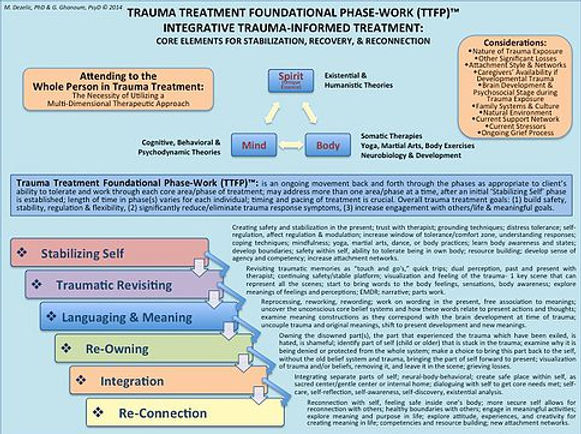
The kind of trauma can determine exactly how a specific really feels different or believes that they are different from others. Injuries that generate shame will certainly typically lead survivors to really feel even more alienated from othersbelieving that they are "damaged products." When people believe that their experiences are one-of-a-kind and incomprehensible, they are much more most likely to look for assistance, if they look for support in any way, only with others that have actually experienced a similar trauma.
Triggers are typically related to the moment of day, period, vacation, or wedding anniversary of the event. A flashback is reexperiencing a previous distressing experience as if it were in fact taking place because minute. It consists of responses that typically resemble the customer's responses during the injury. Flashback experiences are very short and generally last only a couple of seconds, but the psychological side effects stick around for hours or longer.
Ongoing Progress Following EMDR
Other times, specific physical states boost an individual's susceptability to reexperiencing an injury, (e.g., exhaustion, high stress and anxiety levels). Recalls can feel like a quick motion picture scene that intrudes on the customer.
If a customer is set off in a session or throughout some aspect of treatment, assist the customer concentrate on what is happening in the present moment; that is, use basing strategies. Behavioral wellness service suppliers must be prepared to assist the customer get regrounded to make sure that they can compare what is taking place now versus what had occurred in the past (see Covington, 2008, and Najavits, 2002b, 2007b, for more grounding techniques).
Afterward, some customers require to talk about the experience and understand why the recall or trigger occurred. It commonly helps for the customer to attract a link in between the trigger and the terrible occasion(s). This can be a preventative technique whereby the customer can prepare for that a given scenario positions him or her at greater risk for retraumatization and requires use coping methods, including looking for assistance.
Stabilization Building Prior to EMDR Work in Calgary, AB
Dissociation is a mental procedure that cuts links amongst a person's ideas, memories, feelings, actions, and/or feeling of identity. Most of us have experienced dissociationlosing the ability to remember or track a particular action (e.g., arriving at work yet not remembering the last minutes of the drive). Dissociation occurs because the individual is taken part in an automated activity and is not taking notice of his or her prompt atmosphere.
Dissociation helps distance the experience from the person. People that have experienced serious or developmental trauma may have learned to divide themselves from distress to make it through.
In non-Western societies, a feeling of alternating beings within oneself may be translated as being populated by spirits or forefathers (Kirmayer, 1996). Other experiences related to dissociation include depersonalizationpsychologically "leaving one's body," as if viewing oneself from a distance as an onlooker or with derealization, bring about a sense that what is occurring is unknown or is not actual.
Session Format in EMDR Multi-Day Sessions
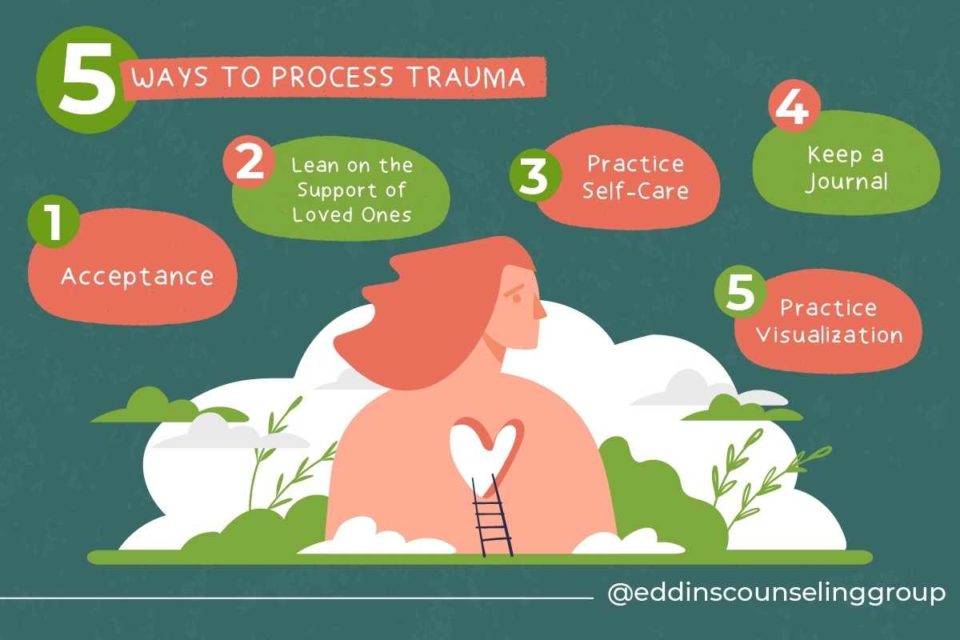
One significant long-term effect of dissociation is the problem it creates in attaching strong emotional or physical reactions with an occasion. Usually, individuals might believe that they are going nuts since they are not in contact with the nature of their responses. By enlightening customers on the resilient top qualities of dissociation while likewise stressing that it avoids them from dealing with or verifying the trauma, people can begin to understand the function of dissociation.
Stressful tension reactions differ widely; typically, individuals involve in behaviors to handle the effects, the intensity of feelings, or the stressful elements of the distressing experience. Some people minimize stress or stress via avoidant, self-medicating (e.g., alcoholic abuse), uncontrollable (e.g., overeating), spontaneous (e.g., risky behaviors), and/or self-injurious habits. Others might try to obtain control over their experiences by being hostile or subconsciously reenacting aspects of the injury.
Commonly, self-harm is an attempt to manage emotional or physical distress that seems overwhelming or to deal with a profound feeling of dissociation or being trapped, helpless, and "damaged" (Herman, 1997; Santa Mina & Gallop, 1998). Self-harm is connected with past childhood sexual abuse and various other forms of injury as well as drug abuse.
Desensitization Strategies in Eye Movement Desensitization and Reprocessing

Marco, a 30-year-old guy, sought treatment at a regional psychological health and wellness facility after a 2-year bout of anxiousness symptoms. He was an energetic participant of his church for 12 years, but although he looked for help from his priest concerning a year back, he reports that he has had no contact with his pastor or his church because that time.
He describes her as his soul-mate and has had a tough time recognizing her actions or how he could have stopped them. In the first consumption, he discussed that he was the initial person to discover his other half after the self-destruction and reported feelings of dishonesty, pain, rage, and destruction since her fatality.

Navigation
Latest Posts
When ART Keeps Memory Content As It Resolving Trauma Symptoms
Addressing Cultural Adjustment Via Professional Support
Frontline Workers and Compassion Fatigue