Table of Contents
Having professional anxiety is various than simply feeling unfortunate. To be identified with depression, signs must be present for two weeks or even more.
From one person to another the intensity and frequency of symptoms will differ, and while some individuals just experience a couple of signs, others experience lots of. Consistent depressing, anxious, or "vacant" state of mind Feeling hopeless Really feeling worthless Angry outbursts, irritability, or irritation Loss of interest or satisfaction in hobbies and activities Thinking absolutely nothing deserves trying Thinking of fatality, or that life is unworthy living Lack of power Relocating or speaking slower than normal Difficulty with focus, emphasis, memory, and decision making Feeling troubled or having problem resting still Cravings or weight changes Problem sleeping, early-morning awakening, or resting far more or a lot less than normal Pains or pains, migraines, pains, or digestion problems without a clear physical reason Although anxiety is one of the most usual mental illness in the United States, there is no exact known root cause of clinical depression.
The Parts Work Method Applied to Trauma
Threat aspects for anxiety consist of: Acquired qualities, personal or family background of depression Ecological variables, like major life changes, injury, or stress Mental factors Specific physical diseases and medications Organic differences, mind chemistry, or hormones One of the most reliable therapy for depression is drug and psychotherapy. The earlier that anxiety is treated, the much easier it is to treat.
Talking with a psychoanalyst, psychologist or various other mental health specialist, can be very helpful for individuals with depression. Medicines to treat anxiety are called antidepressants. There are numerous sort of antidepressants that do various points in the mind, like enhance exactly how the mind utilizes certain chemicals, or stabilize your state of mind.
How Couples Therapy Resolves Relationship Challenges Using Evidence-Based Methods

Some instances of antidepressants are: Selective serotonin reuptake preventions (SSRIs) Serotonin-norepinephrine reuptake preventions (SNRIs) Irregular antidepressants Tricyclic antidepressants Monoamine oxidase preventions (MAOIs) Yes, you can have anxiousness and anxiety at the exact same time. They are two separate and unique psychological health and wellness issues, they frequently occur simultaneously. In some cases, a person can have both an anxiety disorder and a significant depressive problem.
In other instances, clinical depression might trigger anxiousness. Yes, there is a difference in between stress and anxiety and anxiety medication.
Experiencing Trauma-Focused Brainspotting to Overcome
Therapy can be a handy device for individuals with anxiousness and depression. For both anxiousness and anxiety, CBT entails chatting through behavior patterns, and aids to teach people with these mental diseases just how to deal with symptoms.
The majority of dealing with anxiousness and depression with therapy is overlapping. Making use of evidence-based methods certain to the therapy of state of mind problems, like CBT, and continually chatting to a therapist will aid those with anxiety, anxiety, or both, make noticeable improvements.
Getting Started in Therapy for Depression and Anxiety
Mental health and wellness is made complex. While specialists have actually developed specific diagnoses for various kinds of problems, the fact is that numerous problems have a wonderful bargain of overlap, which can make it relatively hard to distinguish in between 2 different problems. Among one of the most usual concerns that individuals have is attempting to discriminate in between anxiousness and anxiety.
While it would certainly be excellent if there were a fool-proof means of informing you whether you have stress and anxiety or anxiety, it's not rather that simple. A single person can conveniently have both anxiety and clinical depression, and some individuals may have developed depression symptoms as an outcome of their anxiety disorder. It's a little bit extra difficult than claiming "you have anxiousness" or "you have clinical depression" because it's possible to have mixes of both.
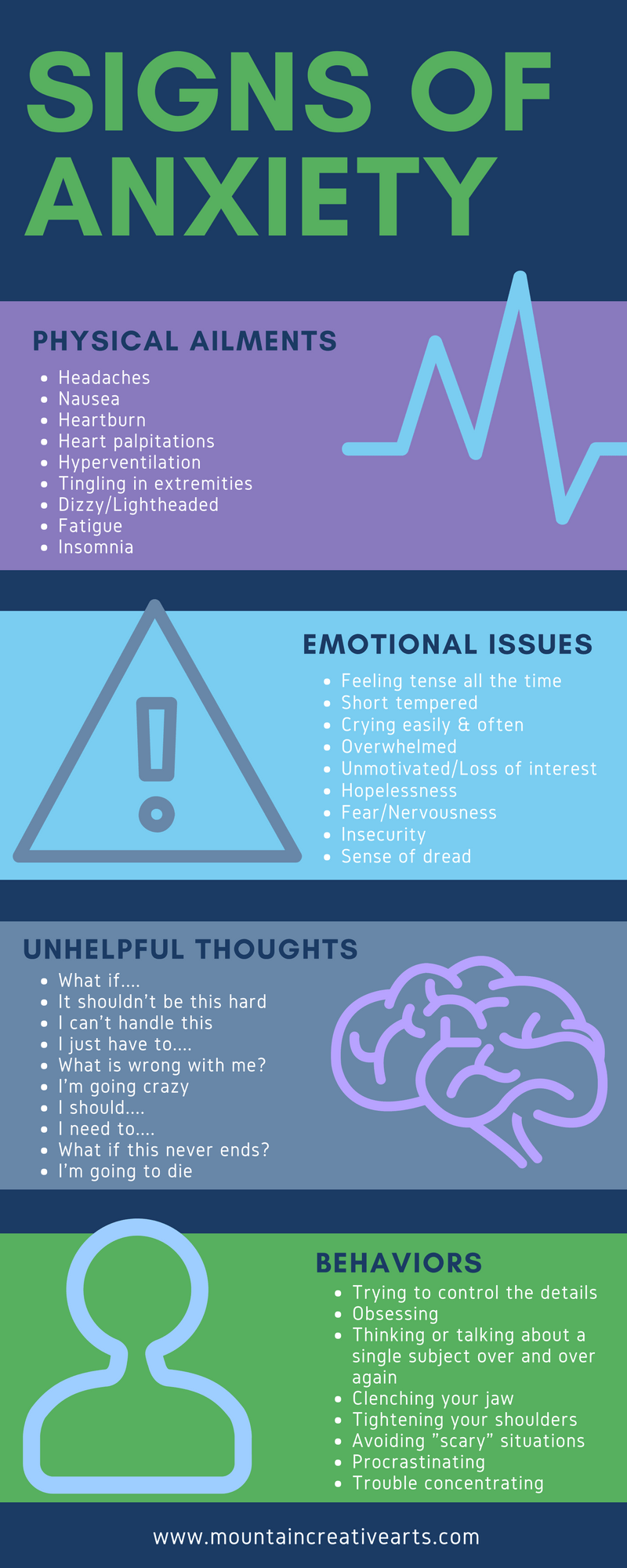
Signs and symptoms of one or the various other may bleed right into whichever condition you have, due to the fact that both share similar reasons, problems, etc. The best method to understand the difference in between both problems is with the primary signs and symptoms, starting with the psychological signs and symptoms. Anxiousness: Uneasiness over what's about to take place and what could occur in the future.
Navigating Psychological Distress Using Somatic Therapy
Feeling like you need to run away or stay clear of points that might trigger more anxiousness. Clinical depression: Feeling of sadness concerning the future, as though it's hopeless.
Those with anxiety usually presume a negative future and don't anticipate anything else or think there's anything worth avoiding. Anxiety can occur after a person experiences anxiousness, since someone that manages serious anxiousness may end up really feeling drained pipes and hopeless as soon as their anxiousness or anxiety assault mores than. That's why both problems can be challenging to distinguish.
Physical signs can be extremely different too. Though again, there are resemblances. Both anxiety and clinical depression can leave you feeling drained pipes and tired out. In the case of anxiety, it tends to occur after extreme anxiousness, while with clinical depression it tends to be a lot more continuous, without necessarily any kind of triggers.
Physical signs that appear like wellness disorders, specifically if accompanied with health and wellness worries. Fast heart rate, digestive tract problems, hyperventilation, and various other "power" creating symptoms. Depression: Severe lack of energy or drive. Level affect (total absence of feeling) along with slowed down reasoning and behaviors. Serious cravings modifications, migraines, and sleep problems. Clinical depression in fact has a tendency to have fewer physical symptoms, yet the psychological signs can be so harmful (specifically the potential for self-destructive thoughts) and the lack of power so pronounced that lots of individuals with anxiety deal with intense battles daily that certainly competing the signs of anxiety.

Navigation
Latest Posts
Psychiatric Medication and Trauma Therapy: An Integrated Approach
Understanding When Medication Works With Therapy for Anxiety
Understanding Anxiety With a ND-Affirming Framework