Table of Contents
- – The Hidden Expense of High-Functioning Anxiety
- – Alison Moses
- – Anxiety in High Achievers: When Success Really...
- – Perfectionism: The Trap That Resembles Quality
- – Codependency and Self-Esteem: The Accomplishme...
- – Integrated Treatment Approaches for Complicate...
- – Finding the Right Healing Assistance
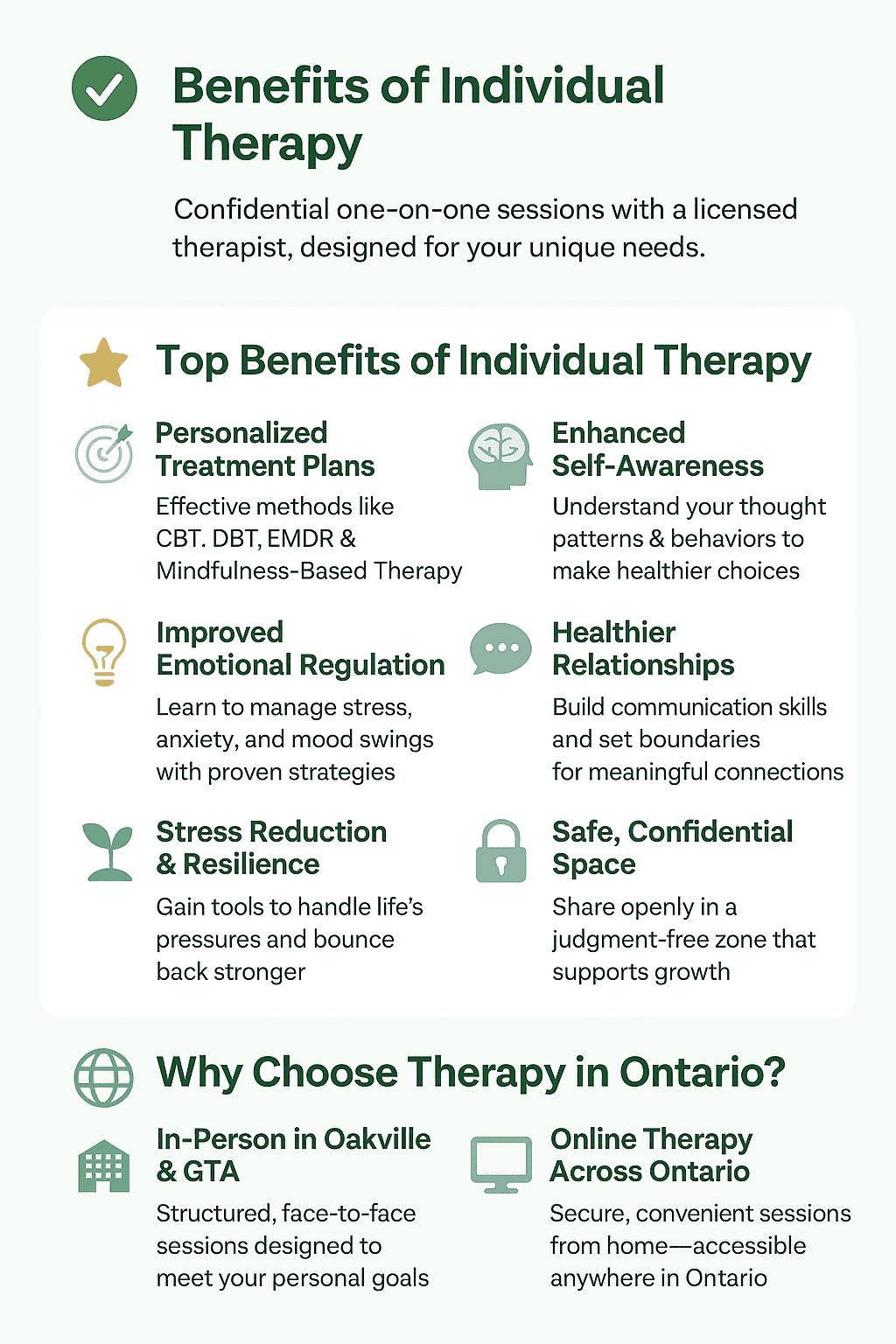
Success outside frequently masks battles on the inside. High achievers regularly browse jobs, partnerships, and obligations while fighting incapacitating stress and anxiety, clinical depression, and the laborious needs of perfectionism. When external achievements fall short to silent inner criticism, specialized therapy methods can aid break cycles that maintain driven people caught in between success and fulfillment.
The Hidden Expense of High-Functioning Anxiety
High-functioning anxiousness offers a paradox that perplexes both victims and observers. From the outside, every little thing appears controlled-- due dates satisfied, expectations went beyond, goals completed. Internally, nevertheless, a continuous stream of worry, insecurity, and worry of failure drives every decision and action. This dissonance between public success and exclusive suffering creates distinct restorative obstacles that common stress and anxiety treatment commonly misses out on.

Alison Moses
I've really valued my time with Dr Krajewski and highly recommend her as a therapist. She is welcoming, thoughtful, insightful, and a fantastic listener.
Unlike stress and anxiety that hinders daily performance, high-functioning stress and anxiety commonly goes unrecognized because it produces results. The worn professional that can not stop inspecting e-mails, the moms and dad who micromanages every information of domesticity, the trainee who obsesses over jobs weeks beforehand-- all demonstrate "" useful"" actions that mask profound psychological distress. Conventional therapy strategies may accidentally strengthen these patterns by focusing solely on stress and anxiety monitoring instead of dealing with the deeper beliefs driving the stress and anxiety.
Reliable anxiousness therapy for high achievers recognizes that the goal is not simply to decrease stress and anxiety enough to preserve productivity. True healing needs checking out the core ideas regarding worth, security, and reputation that make constant striving seem like survival as opposed to selection.
Anxiety in High Achievers: When Success Really Feels Empty
Depression amongst high-functioning individuals frequently materializes in a different way than classical discussions. Instead of obvious withdrawal or lack of ability to function, high-achiever anxiety regularly looks like relentless emptiness in spite of achievements, failure to experience pleasure from successes, and a pervasive sense that nothing is ever before enough. This form of clinical depression can linger for years prior to recognition because outside pens of well-being mask inner depletion.
The separate between achievement and fulfillment produces extensive complication. If success was expected to bring joy, why does each landmark really feel hollow? This inquiry haunts lots of high achievers that have actually organized their whole lives around objectives that failed to provide assured fulfillment. Clinical depression treatment that resolves this certain sensation has to exceed sign management to discover inquiries of identification, meaning, and authentic need.
Several driven individuals find with treatment that their depression comes from living according to internalized "" shoulds"" as opposed to genuine desires. Years of enhancing for others' approval, outside validation, or culturally recommended success markers leave little space for self-knowledge or authentic instructions. Clinical depression comes to be the psyche's demonstration versus this self-abandonment-- a signal that something essential calls for attention.
Washington, DCPerfectionism: The Trap That Resembles Quality
Perfectionism poses as a merit in achievement-oriented cultures, yet its psychological truth varies drastically from healthy making every effort. Where excellence includes establishing high standards and feeling contentment from satisfying them, perfectionism develops impossible criteria paired with ruthless self-criticism no matter of end results. This distinction proves critical in perfectionism therapy, where the goal is not to reduced standards but to create healthier connections with success itself.
Perfectionist patterns usually create as protective methods throughout childhood or adolescence. Perhaps conditional love educated that errors implied denial, or disorderly environments developed the belief that ideal control prevents catastrophe. Regardless of origin, perfectionism runs on the core assumption that flawlessness is both possible and essential for security or approval. This difficult demand generates constant anxiety, shame cycles, and ultimate fatigue or clinical depression.
Efficient perfectionism treatment addresses these underlying beliefs while assisting customers compare adaptive high criteria and maladaptive perfectionism. Restorative approaches consist of:
- Determining and challenging cognitive distortions like all-or-nothing thinking and catastrophizing
- Establishing self-compassion practices that disrupt severe internal criticism
- Explore calculated blemish to test tragic predictions
- Checking out childhood years origins of perfectionist beliefs and regreting unmet demands
- Building resistance for uncertainty and loss of control with graduated exposure
- Reconnecting with innate motivation versus fear-based drivenness
The change from perfectionism to healthy and balanced achievement essentially moves one's partnership with self-- from conditional acceptance based on performance to integral worth independent of results.
Codependency and Self-Esteem: The Accomplishment Trap
High achievers often battle with codependency patterns that contradict their qualified exterior discussion. Codependency includes deriving self-regard mostly from others' needs, feelings, or opinions rather than inner validation. For driven people, this frequently shows up as uncontrollable caretaking, difficulty establishing limits, and arranging life around others' comfort while disregarding individual requirements.
The link between codependency and high success runs much deeper than lots of identify. Both patterns can stem from the same core injury-- the belief that intrinsic well worth need to be made through efficiency, effectiveness, or meeting others' assumptions. High up-and-comers might replace expert accomplishments for relational authorization, however the underlying dynamic continues to be: worth relies on exterior validation instead of inner acceptance.
Codependency treatment for high-functioning individuals calls for resolving a number of interconnected patterns. Clients learn to identify where their feeling of self ends and others begin, acknowledging just how boundary dissolution drives both relationship disorder and specialist overextension. Therapy explores exactly how stating yes to everything and everybody certainly indicates saying no to self-- creating the bitterness, fatigue, and identity confusion characteristic of codependency.
Self-esteem treatment within this context concentrates on creating inner recognition systems that do not need continuous success or authorization. This verifies specifically testing for individuals whose entire identification has organized around being "" the capable one,"" "" the fixer,"" or "" the high performer."" Discovering to obtain worth from being instead of doing stands for a basic identification shift that calls for perseverance, empathy, and continual healing assistance.
Integrated Treatment Approaches for Complicated Discussions
Anxiousness, depression, perfectionism, and codependency rarely exist in isolation among high up-and-comers. These patterns commonly link in complicated ways that call for integrated healing techniques. A perfectionist could develop anxiousness concerning maintaining impossible criteria, after that experience depression when certainly falling short. Codependent patterns might drive overachievement as a method for protecting connections, while all at once depleting the emotional resources required for real link.
Reliable treatment recognizes these affiliations and addresses underlying themes that extend several symptoms. Core concerns frequently include anxiety of desertion, embarassment about integral well worth, difficulty with vulnerability, and interference from authentic self. Therapy techniques that verify especially reliable for high-achieving populations include cognitive-behavioral strategies for tough distorted reasoning, psychodynamic expedition of developing wounds, somatic methods for worried system policy, and compassion-focused treatment for developing self-kindness.
Providers specializing in high-achiever mental health, such as Everbe Therapy, understand that dealing with driven individuals needs specific restorative attunement. These clients commonly come close to therapy itself with efficiency anxiousness, problem regarding showing up weak, or assumptions of rapid results. Reliable specialists develop space for susceptability while respecting clients' demand for framework, progression metrics, and concrete devices-- meeting high achievers where they are while slowly increasing ability for self-compassion and process-oriented healing.
Finding the Right Healing Assistance
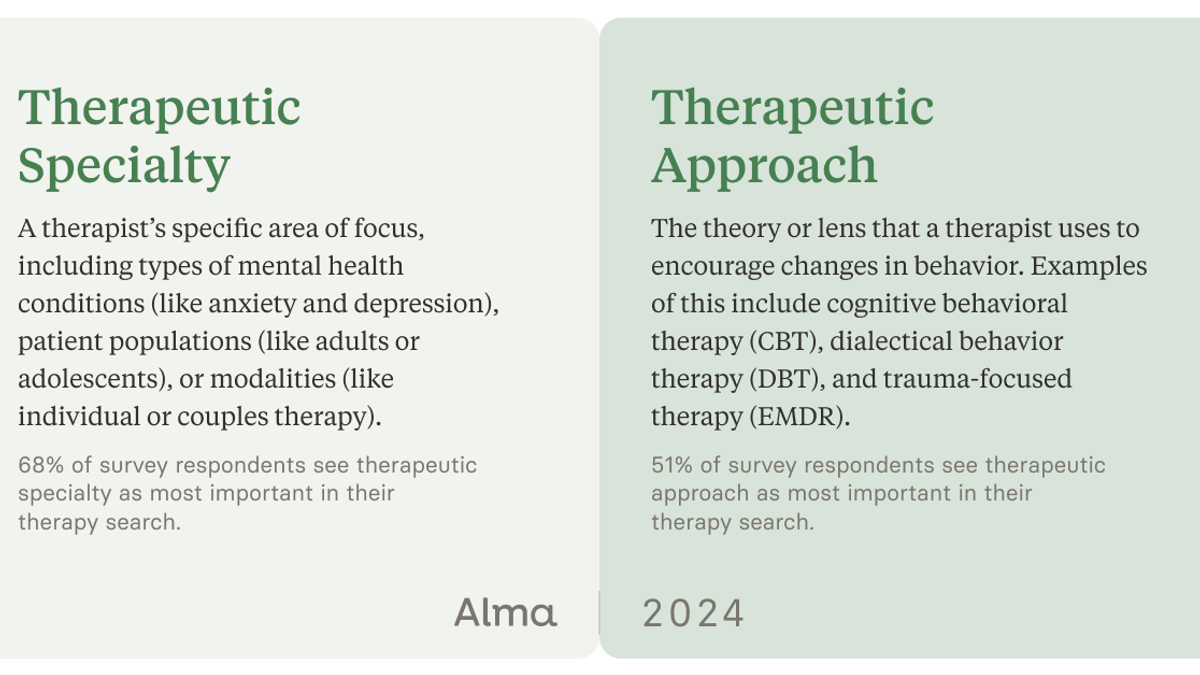
Picking a specialist for anxiousness, depression, and perfectionism in high-achieving individuals calls for consideration past general credentials. One of the most efficient healing connections for this populace include a number of crucial elements:
- Recognizing of high-functioning discussions where distress exists side-by-side with proficiency
- Acknowledgment that minimizing signs and symptoms wants if underlying worth wounds remain unaddressed
- Capability to challenge success orientation without shaming drive or ambition
- Experience with the specific battles of experts, entrepreneurs, or persistent overachievers
- Assimilation of evidence-based strategies with relationally attuned, caring existence
- Readiness to resolve social and systemic factors that compensate perfectionism and self-neglect
The trip from high-functioning enduring to genuine well-being calls for greater than signs and symptom administration. It requires fundamental changes in how we define success, step well worth, and relate to ourselves. With specialized therapeutic support, high achievers can find that real excellence arises not from fear-driven perfection yet from authentic involvement with work, connections, and life itself-- blemishes and all.

Table of Contents
- – The Hidden Expense of High-Functioning Anxiety
- – Alison Moses
- – Anxiety in High Achievers: When Success Really...
- – Perfectionism: The Trap That Resembles Quality
- – Codependency and Self-Esteem: The Accomplishme...
- – Integrated Treatment Approaches for Complicate...
- – Finding the Right Healing Assistance
Latest Posts
Adaptive Mechanisms through Psychoanalytic Practice for Insight
Creating Strength for Your Relationship In Ongoing Therapy
Relationship Between Anxiety Disorders and Binge Eating
Navigation
Latest Posts
Adaptive Mechanisms through Psychoanalytic Practice for Insight
Creating Strength for Your Relationship In Ongoing Therapy
Relationship Between Anxiety Disorders and Binge Eating